Businesses need to consider more than simply locking their doors at the end of the day. From monitoring who enters a building to protecting vehicles, equipment and staff, commercial security systems can combine a range of technologies and physical measures to help protect business premises.
The right approach depends on the type of property, how it is used, the people who need access and the assets that need protecting. A small office may have very different requirements from a warehouse, construction site, retail premises or industrial facility.
CCTV and Video Surveillance
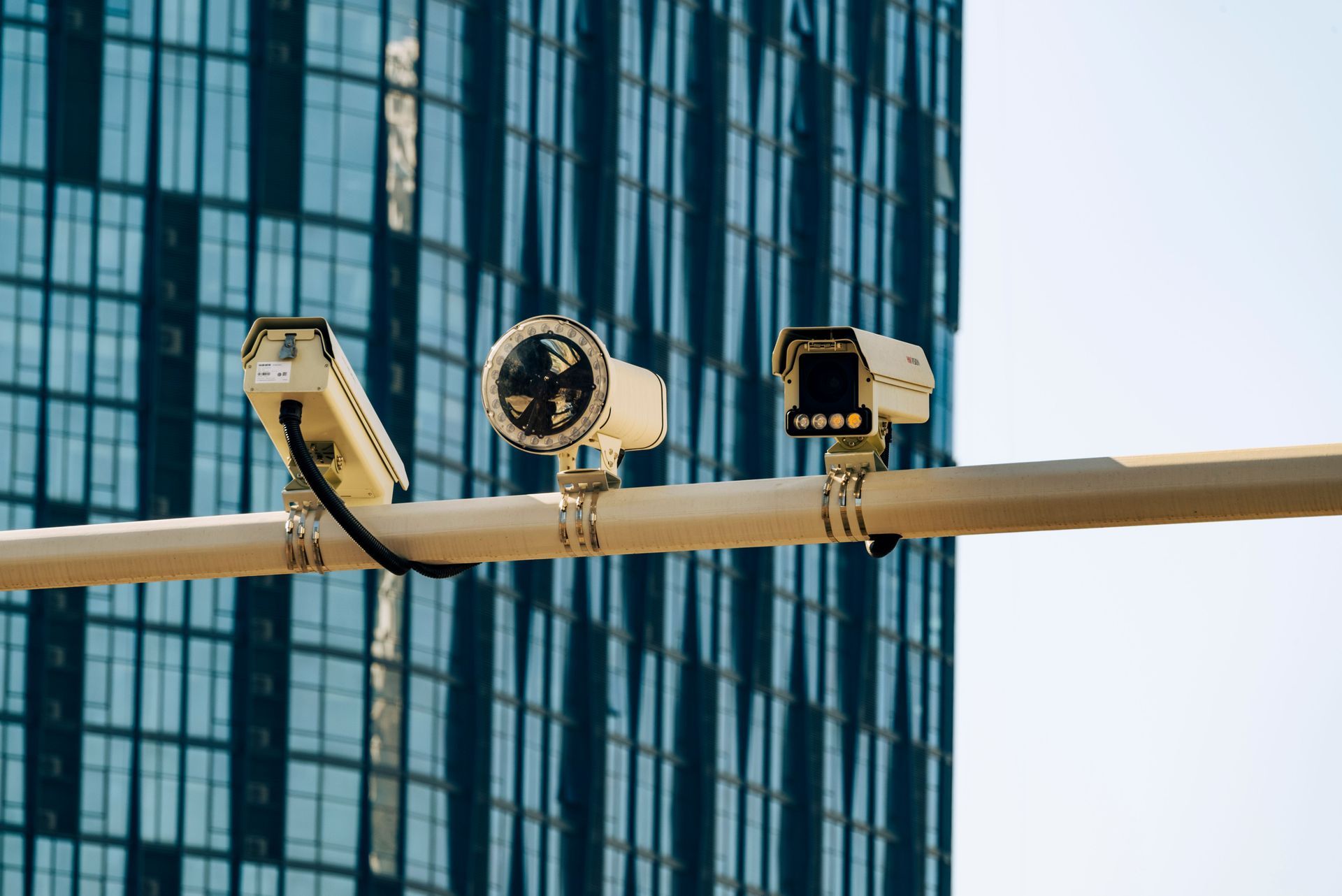
CCTV remains one of the most widely used security measures for commercial premises. Modern systems can provide coverage of entrances, car parks, loading areas, internal spaces and other important locations.
Cameras can also be integrated with recording equipment and, where appropriate, remote monitoring or other security technologies. Careful positioning is important, particularly where there are multiple entrances, blind spots or large external areas to cover.
Access Control and Intruder Alarms
Controlling who can enter a building is another important part of business security. Access control can be used to manage entry through doors and other controlled points using methods such as cards, fobs or other credentials.
An intruder alarm provides another layer of protection by detecting unauthorised access. Depending on the premises, this might include detection around doors, windows, internal areas or other vulnerable points.
Intercom systems can also be useful where visitors need to communicate with reception or authorised personnel before being allowed entry.
Physical Security Measures
Electronic systems:
Are only part of the picture. Physical measures can help control vehicles, protect boundaries and restrict access to vulnerable areas.
Security barriers:
Can control vehicle entry and exit at commercial entrances, car parks and private roads. Different types include boom barriers, rising arm systems and road blockers, depending on the site and level of access control required.
Security bollards:
Can provide protection around buildings, entrances and other vulnerable areas, while gates and turnstiles can help control movement around a site.
Other options include security shutters, grilles, automatic doors and gate automation. The appropriate combination depends on the layout and operational requirements of the property.
Fire Protection and Life Safety
Security planning should also consider fire protection. Fire alarm systems can provide early warning of a potential fire, while extinguishers and other equipment can form part of a wider fire safety strategy.
Larger or specialist premises may require additional systems such as fire suppression, aspirating smoke detection or voice alarm systems. These should be designed and maintained according to the requirements of the building and its use.
Maintenance and Integration
Installing equipment is only one part of managing a
commercial security system. Regular maintenance can help identify faults, worn equipment and potential problems before they affect the operation of the system.
Different technologies can also work together. For example, CCTV, access control, alarms, intercoms and physical barriers may form part of a coordinated security arrangement rather than operating as completely separate systems.
For businesses with existing equipment, maintenance or upgrades may also be worth considering before replacing an entire installation.
Choosing Security for Your Business
There is no single security system that suits every commercial property. A useful starting point is to consider the building itself, the people who use it, vehicle and pedestrian access, valuable equipment or stock, operating hours and any vulnerable areas.
Whether the requirement is for a new installation or improvements to an existing system, taking a complete view of the premises can help identify where electronic security, physical protection and fire safety measures can work together.
For businesses planning new premises, refurbishments or site improvements, considering security early in the project can also make it easier to incorporate equipment, access points and infrastructure into the overall building design.
Check out our construction blog for more helpful
articles!